
Contents
- 🎵 Origins & History
- ⚙️ How It Works
- 📊 Key Facts & Numbers
- 👥 Key People & Organizations
- 🌍 Cultural Impact & Influence
- ⚡ Current State & Latest Developments
- 🤔 Controversies & Debates
- 🔮 Future Outlook & Predictions
- 💡 Practical Applications
- 📚 Related Topics & Deeper Reading
- Frequently Asked Questions
- References
- Related Topics
Overview
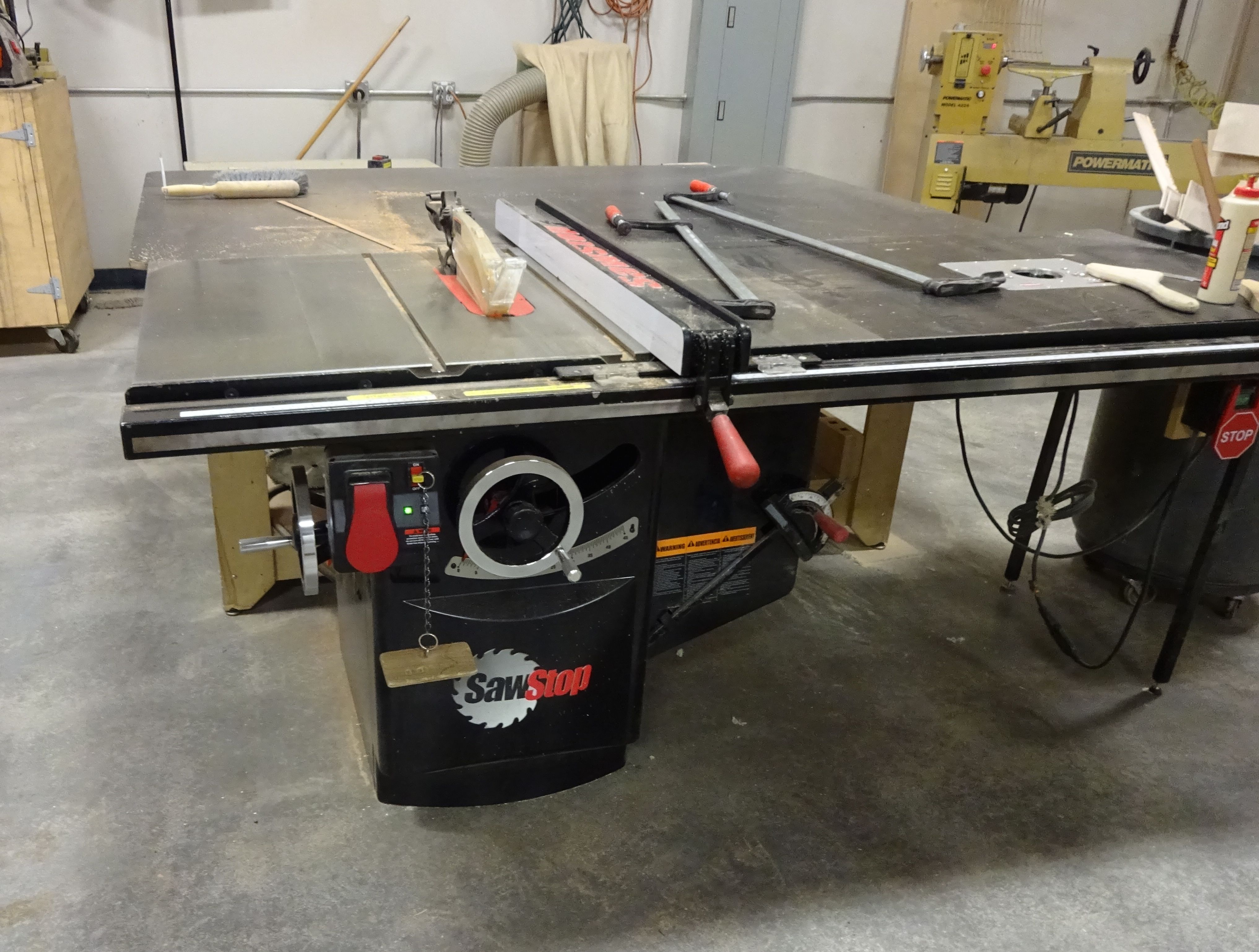
The history of cutting tools dates back to ancient civilizations, with early woodworkers using hand saws and other primitive tools to shape and cut wood. Today, there are many types of cutting tools available, each with its own unique characteristics and advantages. For example, table saws are ideal for making precise cuts in large pieces of wood, while circular saws are better suited for cutting curves and irregular shapes. Hand saws are perfect for fine-tuning and making precise cuts in small pieces of wood.
⚙️ How It Works
Choosing the right cutting tool for your project requires careful consideration of several factors, including the type of material, project requirements, and personal preferences. Table saws, for example, are ideal for making precise cuts in large pieces of wood, while circular saws are better suited for cutting curves and irregular shapes. Hand saws, on the other hand, are perfect for fine-tuning and making precise cuts in small pieces of wood. According to some sources, the key to choosing the right cutting tool is to understand the specific needs of your project and to select a tool that is well-suited to those needs.
📊 Key Facts & Numbers
Some key facts to consider when choosing a cutting tool include the type of blade and the power source. For example, table saws with a riving knife are significantly safer than those without.
👥 Key People & Organizations
There are many key people and organizations involved in the development and manufacture of cutting tools. These individuals and organizations have made significant contributions to the field of woodworking and have helped to advance the development of cutting tools.
🌍 Cultural Impact & Influence
The cultural impact of cutting tools cannot be overstated, with many woodworkers and craftsmen relying on these tools to create beautiful and functional pieces of art. From the intricate carvings of ancient furniture to the modern designs of contemporary woodworkers, cutting tools have played a critical role in shaping the world of woodworking.
⚡ Current State & Latest Developments
The current state of cutting tools is one of rapid innovation and advancement, with new technologies and materials being developed all the time. The future of cutting tools is likely to be shaped by emerging technologies such as artificial intelligence and robotics.
🤔 Controversies & Debates
Despite the many advances in cutting tool technology, there are still many controversies and debates surrounding the use of these tools. Some of the key issues include safety concerns and the role of automation in the woodworking industry.
🔮 Future Outlook & Predictions
Looking to the future, it is clear that cutting tools will continue to play a critical role in the world of woodworking. With advances in technology and materials, we can expect to see even more powerful and efficient cutting tools in the years to come.
💡 Practical Applications
In practical terms, choosing the right cutting tool for your project can make all the difference in the world. Whether you are a seasoned woodworker or just starting out, having the right tool for the job can help you to achieve professional-grade results and take your projects to the next level.
Key Facts
- Year
- 2020
- Origin
- Global
- Category
- cutting-tools
- Type
- concept
Frequently Asked Questions
What is the most important factor to consider when choosing a cutting tool?
The most important factor to consider when choosing a cutting tool is the type of material you will be working with. Different materials require different types of blades and cutting tools, so it is essential to select a tool that is well-suited to your specific needs.
What is the difference between a table saw and a circular saw?
A table saw is ideal for making precise cuts in large pieces of wood, while a circular saw is better suited for cutting curves and irregular shapes.