
Contents
Overview
The concept of cutting tool maintenance dates back to the early days of metalworking. According to some sources, the use of cutting fluids, such as those made by Quaker Chemical, can help to reduce friction and prevent wear on cutting tools. Regular maintenance can also help to reduce energy consumption and improve overall efficiency. Furthermore, the use of cutting fluids can help to reduce the environmental impact of metalworking.
Origins & History
The concept of cutting tool maintenance dates back to the early days of metalworking, with craftsmen using various techniques to extend the life of their tools. The development of modern cutting tools has led to a greater emphasis on maintenance and upkeep. Today, cutting tool maintenance is a critical aspect of metalworking.
How It Works
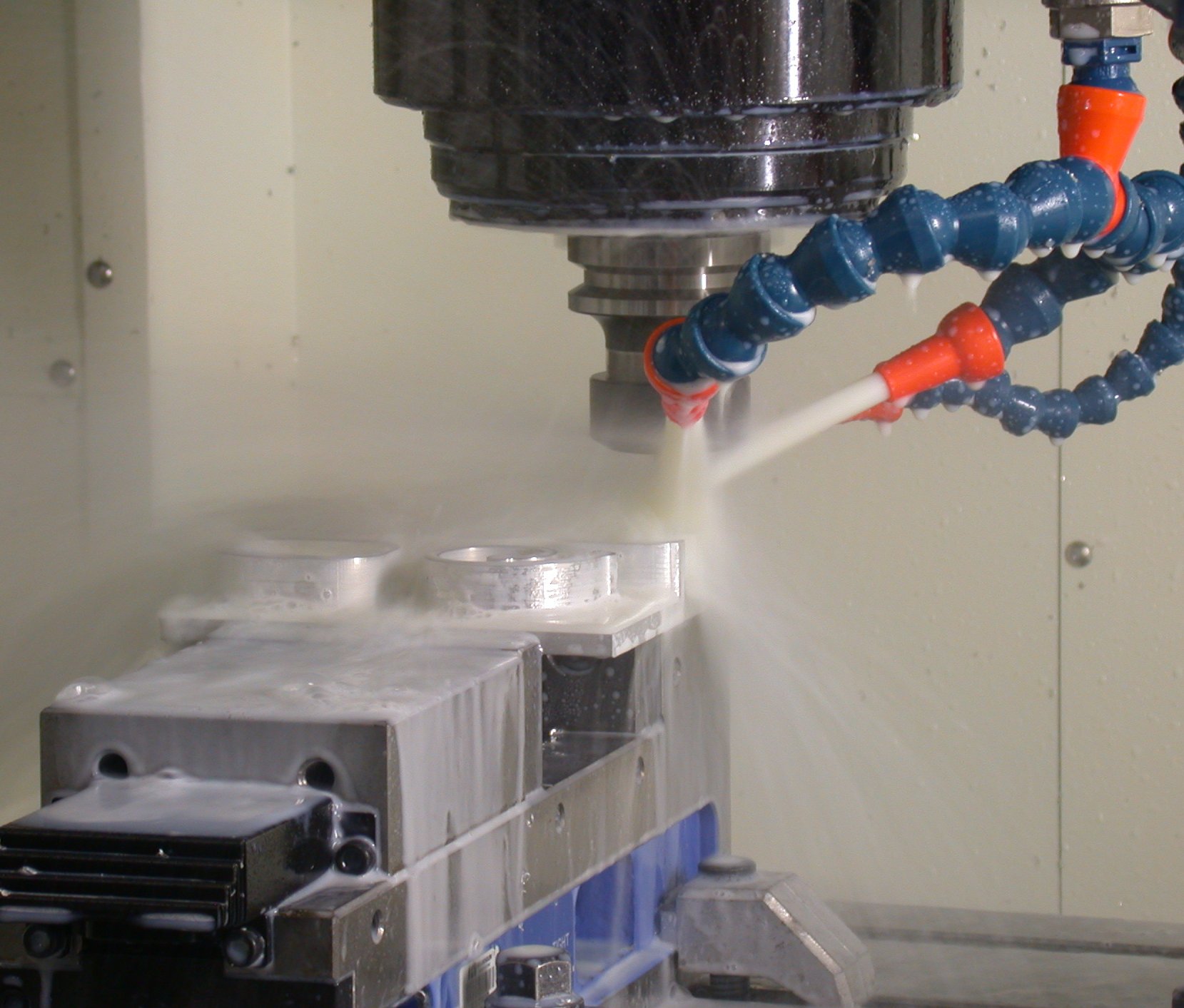
Cutting tool maintenance involves a range of techniques, including regular cleaning and inspection, storage and handling, and the use of cutting fluids. The use of cutting fluids, such as those made by Quaker Chemical, can help to reduce friction and prevent wear on cutting tools. Tool sharpening is also an essential aspect of maintenance, as it helps to maintain the tool's cutting edge and prevent damage.
Key Facts & Numbers
The use of cutting fluids can help to reduce the environmental impact of metalworking. However, it is also reportedly associated with the release of toxic chemicals. Regular maintenance can help to reduce energy consumption and improve overall efficiency.
Key People & Organizations
The development of cutting tool maintenance techniques has been shaped by a range of individuals and organizations. However, the specific contributions of certain companies and organizations are not well-documented.
Cultural Impact & Influence
The impact of cutting tool maintenance on society and industry is significant, with the development of modern cutting tools and maintenance techniques having a profound impact on the metalworking industry.
Current State & Latest Developments
The current state of cutting tool maintenance is one of ongoing development and innovation, with companies continuing to develop new maintenance techniques and strategies.
Controversies & Debates
The use of cutting fluids and other maintenance techniques has been the subject of controversy in recent years, with some arguing that they can have negative environmental and health impacts.
Future Outlook & Predictions
The future of cutting tool maintenance is likely to be shaped by ongoing developments in technology and innovation, with companies continuing to develop new maintenance techniques and strategies.
Practical Applications
The practical applications of cutting tool maintenance are numerous, with the development of modern cutting tools and maintenance techniques having a significant impact on the metalworking industry.
Key Facts
- Category
- cutting-tools
- Type
- topic